

Advanced Solutions from a Global Leading Hydrofluoric Acid Recovery Unit Supplier for Solar Cell Manufacturing
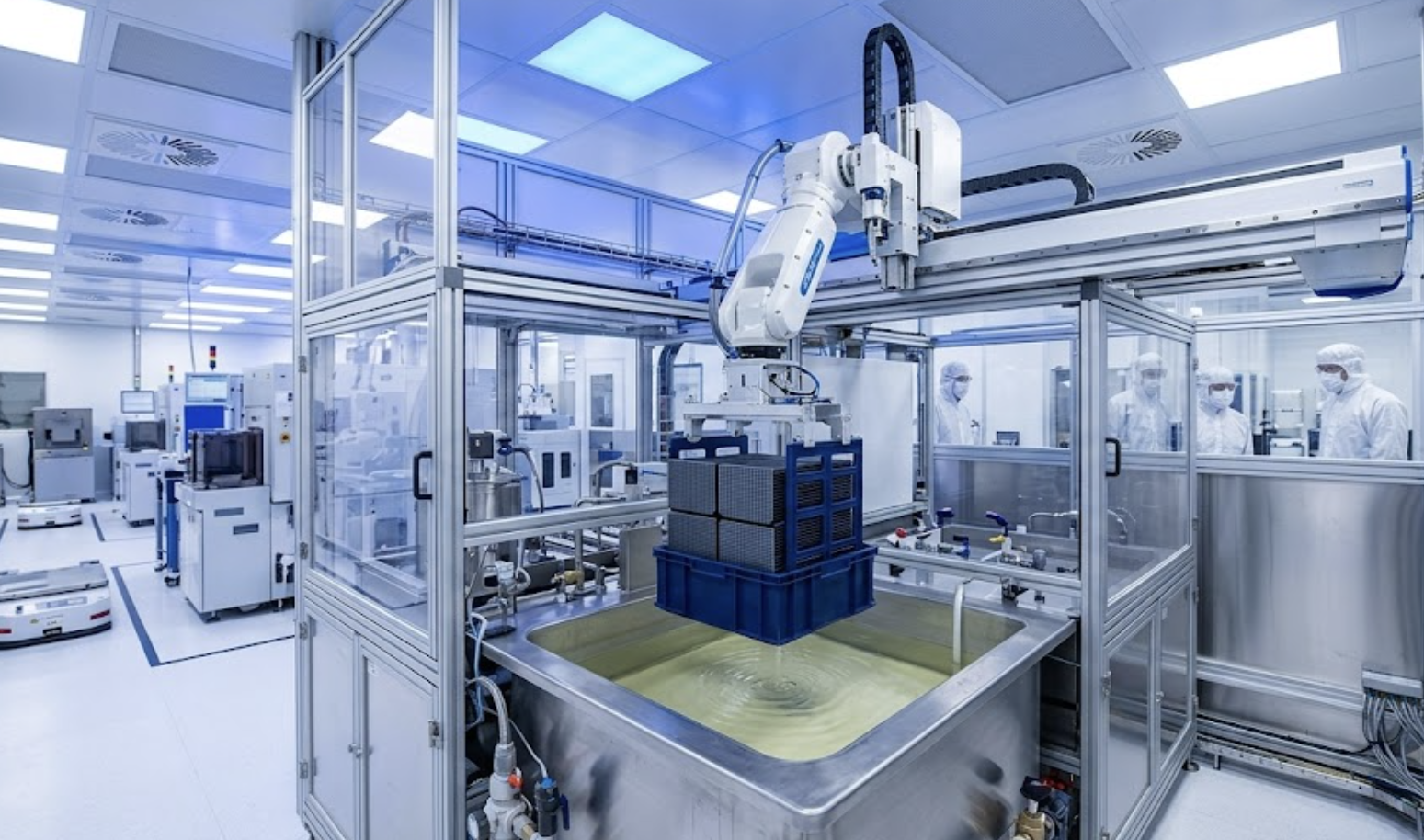
Modern solar cell manufacturing requires highly stable supply lines and rigorous process efficiency to survive in a fiercely competitive global marketplace. Among the various chemical processing stages, wet-chemical operations utilize high volumes of specialized solutions to prepare raw silicon substrates. Specifically, hydrofluoric acid plays an indispensable role in the surface texturing, chemical cleaning, and background etching phases of crystalline silicon solar wafer processing. This critical substance effectively removes native silicon dioxide layers and textures the wafer surfaces to maximize light trapping and conversion efficiencies. Consequently, forward-looking manufacturers collaborate with a Global Leading Hydrofluoric Acid Recovery Unit Supplier to deploy modern purification architectures directly within their facility layouts.
Traditional operations usually treat the spent wet-chemical effluent as a highly dangerous hazardous waste stream that demands expensive treatment. This conventional linear model forces factories to invest heavily in continuous external waste transportation or complex chemical neutralization procedures. However, tightening environmental regulations worldwide impose massive compliance levies and rising logistics fees on unmanaged factory waste streams. Chemical neutralization also consumes vast quantities of alkaline agents and generates large volumes of hazardous chemical sludge. Therefore, leading photovoltaic manufacturers are actively abandoning these outdated, expensive end-of-pipe disposal models. They now transition toward smart on-site regeneration systems that eliminate structural operational vulnerabilities, safeguard internal profit margins, and guarantee absolute environmental compliance.
Thermodynamic Separation: The Dual-Tower Atmospheric Continuous Distillation Paradigm
Shifting a high-capacity solar factory from a linear consumption model to a circular recovery loop requires advanced chemical engineering and precise control over fluid dynamics. Spent wet-chemical streams from solar etching lines do not contain simple solutions; instead, they emerge as complex mixtures of water, hydrofluoric acid, dissolved silicon compounds, and trace metallic impurities. To extract reusable acid from this complex liquid matrix, modern recycling equipment utilizes the distinct relative volatility variances of the different chemical components. The purification system separates these substances cleanly by applying precise thermal profiles under constant atmospheric pressure.
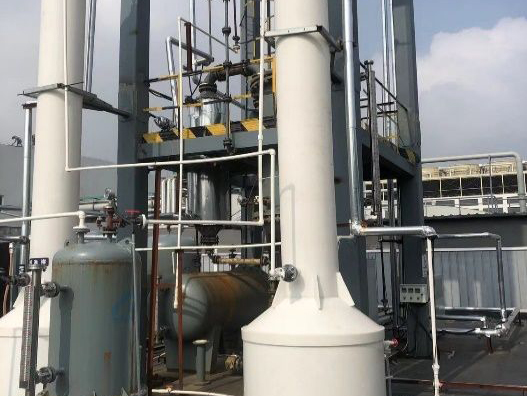
Specifically, the reclamation architecture employs a highly specialized dual-tower atmospheric continuous distillation process to handle the complex chemical separation safely. The raw waste acid solution first enters the primary distillation column, where controlled thermal inputs alter the vapor-liquid equilibrium of the fluid phase. This initial stage isolates the low-boiling components and begins separating water molecules from the heavier acid compounds. Subsequently, the partially refined chemical stream transitions into the secondary distillation column for deep rectification. This second column purifies the hydrofluoric acid stream continuously, separating the target asset from complex silicon residues and trace metallic ions.
This continuous distillation approach maintains an uninterrupted mass transfer rate, ensuring completely stable concentration outputs during high-intensity manufacturing schedules. Furthermore, advanced thermal integration techniques optimize energy efficiency throughout the distillation cycle, drastically lowering utility inputs. The automated rectification process successfully elevates the reclaimed stream until it meets stringent industrial purity thresholds. As a result, solar cell manufacturers can confidently reintroduce the regenerated acid back into sensitive upstream wet-chemical tools. This reliable quality guarantee ensures that the recycled stream performs identically to expensive virgin feedstocks without introducing any contamination risks to the silicon wafers.
Quantifying the Circular Dividend: Benchmarking Efficiency and Cost Reduction Metrics
Financial executives evaluate new manufacturing equipment based on hard operational data, predictable payback periods, and total cost of ownership models. Installing a dedicated on-site recycling facility alters the financial profile of a photovoltaic manufacturing plant in several highly profitable ways. Rather than viewing environmental compliance as a rigid cost center, corporate managers utilize advanced circular technology to recover valuable resources and protect long-term corporate margins.
Recent field benchmarks from major solar manufacturing hubs confirm the exceptional economic performance of this continuous distillation technology. The automated recovery system achieves an optimal water recycling rate exceeding 75 percent across daily manufacturing operations. This high efficiency dramatically slashes the volume of fresh chemical utilities that the factory must purchase from external merchant networks over time. Simultaneously, the recycling technology eliminates the recurring expense of purchasing heavy neutralizer agents and removes costly chemical sludge disposal fees from the corporate ledger. Consequently, this on-site processing framework reduces raw wastewater treatment costs by more than 60 percent.
This massive operational reduction reclaims lost profit margins immediately, turning an expensive regulatory requirement into a high-yield internal asset. By evaluating these consistent field metrics, financial directors can construct highly accurate payback period models that show short amortization timelines. Furthermore, the system acts as a reliable financial hedge against unexpected price shocks in global chemical markets. When raw material costs spike due to geopolitical tensions or supply chain bottlenecks, the financial return of the recycling loop increases proportionally. This strategic insulation provides corporate forecasters with stable, predictable multi-year operational cost projections.
The Safety Envelope: Enclosed Automation and Comprehensive LifenGas Service Integration
Handling high concentrations of volatile hydrofluoric acid introduces serious operational safety concerns that demand absolute mechanical integrity and fail-safe engineering boundaries. To protect facility personnel and secure valuable production assets, the recycling system utilizes a completely enclosed, negative-pressure structural containment design. This advanced architecture ensures total fluid isolation, eliminating any risk of hazardous gas emissions or chemical leakage across all processing lines.
Furthermore, the system integrates a highly advanced array of real-time analytical sensors and automated process control loops. These smart monitoring tools continuously track acid concentration, temperature profiles, and internal pressure baselines at every stage of the distillation process. If a sensor detects even a minor operational variance from the target specification, the automated programmable logic controllers react within milliseconds. The automated control system immediately isolates the affected liquid stream and adjusts internal thermal inputs to protect the main manufacturing infrastructure from any operational risk. This reliable automated control framework guarantees an exceptional safety coefficient while ensuring consistent compliance with strict national emission regulations.
To eliminate integration friction for international buyers, LifenGas(Shanghai LifenGas Co., Ltd.) provides complete turnkey lifecycle project management through its comprehensive EPCO framework. The specialized engineering team directs every phase of the installation, including custom engineering design, component procurement, on-site construction, and long-term operational management. This comprehensive service model guarantees that the recycling asset meets its target efficiency benchmarks without requiring factory owners to maintain expensive, specialized chemical handling teams. Furthermore, LifenGas ensures that every installed recovery unit holds stringent environmental and safety certifications, giving global industrial clients complete peace of mind and total operational security.
Conclusion: Redefining Industrial Waste Streams as Sustainable Catalysts for Solar Evolution
In the modern industrial era, cultivating supply chain autonomy has transformed from a corporate sustainability goal into a vital defensive strategy. Relying completely on volatile external chemical networks exposes high-volume solar manufacturing facilities to severe operational vulnerabilities and unpredictable margin compression. In contrast, investing in a robust on-site recovery asset provides absolute sovereignty over critical chemical inputs while stabilizing multi-year operating budgets. As global resource scarcity intensifies, the ability to recycle complex chemical streams will distinguish market leaders from vulnerable producers. Furthermore, minimizing environmental waste aligns perfectly with international environmental mandates, enhancing corporate reputation among global stakeholders. Partnering with a proven industrial specialist allows solar manufacturers to secure their production lines, optimize internal capital efficiency, and build a truly resilient production ecosystem for the future.
Official Website: https://www.lifengas.com/.
Shanghai LifenGas Co., Ltd.
Shanghai LifenGas Co., Ltd.
+ +86 21-34553961
email us here
Visit us on social media:
LinkedIn
Legal Disclaimer:
EIN Presswire provides this news content "as is" without warranty of any kind. We do not accept any responsibility or liability for the accuracy, content, images, videos, licenses, completeness, legality, or reliability of the information contained in this article. If you have any complaints or copyright issues related to this article, kindly contact the author above.
